
Introduction
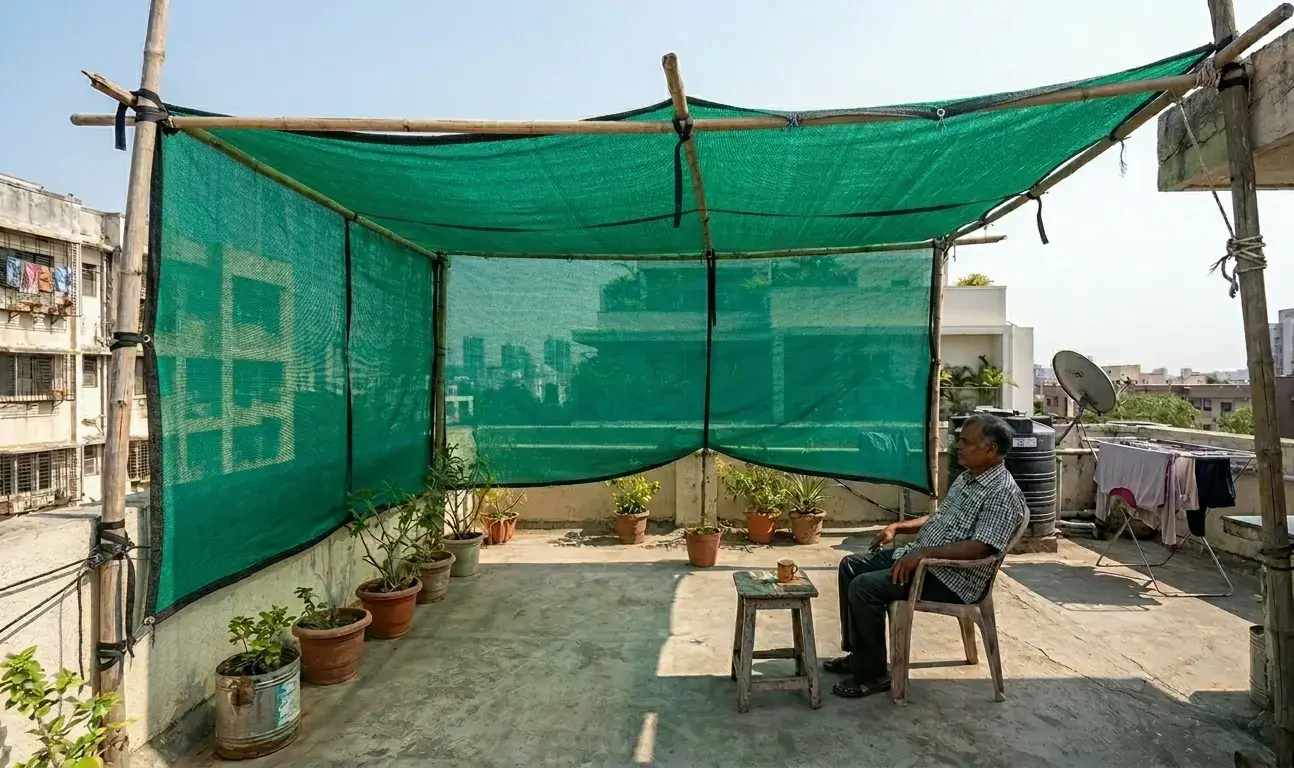
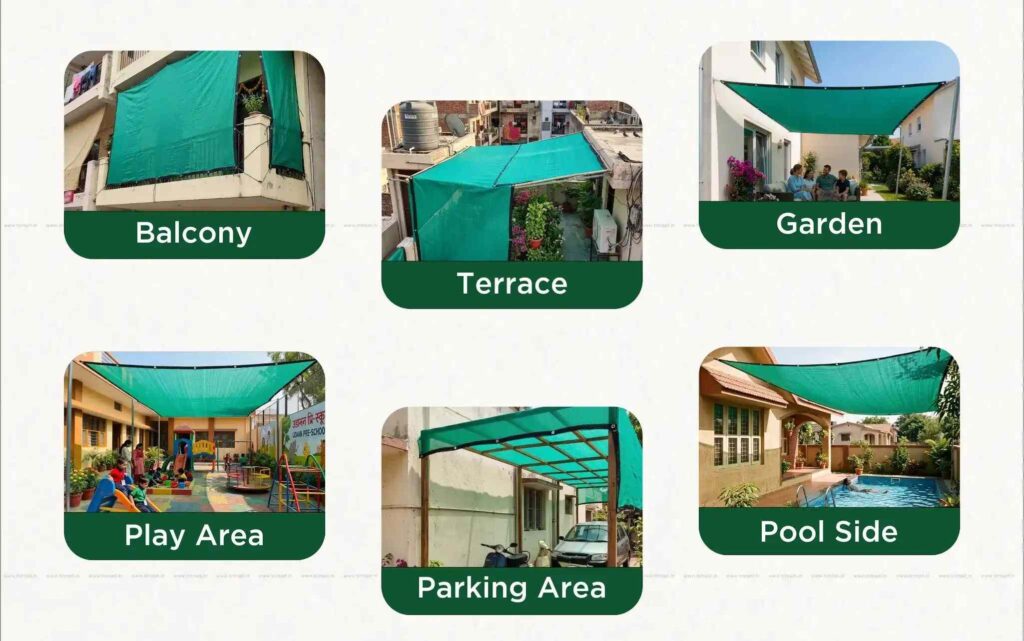
Shade nets are widely used for balconies, terraces, gardens, car parking areas, nurseries, and agricultural applications to provide protection from sunlight, heat, and UV exposure. One of the most common questions buyers ask before purchasing a shade net is: How long does a shade net last outdoors?
The lifespan of a shade net depends on several factors, including material quality, UV stabilization, weather conditions, installation methods, and maintenance practices. A high-quality UV-stabilized HDPE shade net can provide reliable performance for several years when installed and maintained properly.
This guide explains the average lifespan of shade nets, the factors that affect durability, and practical maintenance tips to maximize their service life.
What Is the Average Lifespan of a Shade Net?
The average lifespan of a shade net typically ranges between 3 to 10 years, depending on its quality and usage conditions.
| Shade Net Quality | Expected Lifespan |
|---|---|
| Standard Quality Shade Net | 3–5 Years |
| UV-Stabilized HDPE Shade Net | 5–8 Years |
| Premium Heavy-Duty Shade Net | 8–10 Years |
Premium UV-resistant shade nets are specifically designed to withstand prolonged exposure to sunlight, rain, wind, and varying weather conditions, making them a cost-effective long-term shading solution.
Factors That Affect Shade Net Durability
UV Exposure
Continuous exposure to ultraviolet (UV) rays is one of the biggest factors affecting shade net longevity. Over time, UV radiation can weaken plastic materials, causing fading, brittleness, and tearing.
UV-stabilized shade nets are manufactured with protective additives that help resist UV degradation and significantly extend product life.
Shade Percentage
Different shade percentages may experience varying levels of wear depending on their application and exposure conditions.
- 35% Shade Net – Typically used for light shading applications.
- 50% Shade Net – Popular for home gardening and terrace gardens.
- 75% Shade Net – Suitable for nurseries and sensitive plants.
- 90% Shade Net – Commonly used for balconies, parking areas, and maximum shade requirements.
Properly selected shade percentages help ensure optimal performance and durability.
Material Quality
The quality of raw materials directly impacts lifespan.
High-density polyethylene (HDPE) shade nets are known for:
- Excellent durability
- UV resistance
- Weather resistance
- Tear resistance
- Long-term outdoor performance
Investing in a premium-quality HDPE shade net often results in lower replacement costs over time.
Weather Conditions
Local climate conditions play a significant role in determining shade net life expectancy.
Factors include:
- Intense summer heat
- Heavy rainfall
- Strong winds
- Dust and pollution
- Coastal humidity
Areas experiencing extreme weather may require stronger installation systems and periodic inspections.
Installation Method
Improper installation can significantly reduce the lifespan of a shade net.
Common installation issues include:
- Excessive tension
- Loose fixing points
- Poor support structures
- Uneven load distribution
A properly installed shade net experiences less stress and maintains its structural integrity for a longer period.
How Long Do Different Types of Shade Nets Last?
Balcony Shade Nets
Balcony shade nets typically last between 5 and 8 years when installed using proper support systems and UV-resistant materials.
They help reduce heat, glare, and outdoor visibility while improving privacy.
Terrace Shade Nets
Terrace shade nets are constantly exposed to direct sunlight and weather conditions. High-quality UV-stabilized terrace shade nets generally last between 5 and 8 years.
Regular inspections can further improve longevity.
Car Parking Shade Nets
Car parking shade nets often face intense sunlight exposure throughout the day. Premium parking shade nets can provide reliable performance for 5 to 10 years when properly maintained.
Garden Shade Nets
Garden shade nets typically experience moderate stress levels and may last between 4 and 8 years depending on climate conditions and installation quality.
Signs That Your Shade Net Needs Replacement
Over time, shade nets naturally experience wear and tear.
Common signs include:
- Visible tears or holes
- Material becoming brittle
- Fading or discoloration
- Reduced shading performance
- Loose or damaged edges
- Broken fixing points
If multiple signs are present, replacement may be more cost-effective than repeated repairs.
How to Increase the Life of Your Shade Net
Following proper maintenance practices can significantly extend shade net lifespan.
Choose UV-Stabilized HDPE Material
Always select UV-resistant shade nets designed for long-term outdoor use.
Install Proper Support Structures
Use strong frames, cables, hooks, and fasteners to distribute load evenly.
Maintain Proper Tension
Avoid over-tightening the net, as excessive tension can lead to premature tearing.
Inspect Regularly
Check for loose fittings, damaged edges, or small tears and repair them promptly.
Clean Periodically
Remove accumulated dust, leaves, and debris to maintain performance and appearance.
Protect Against Wind Damage
In areas prone to strong winds, use additional support points to reduce stress on the net.
Common Mistakes That Reduce Shade Net Lifespan
Many users unknowingly shorten the life of their shade nets through improper practices.
Avoid these common mistakes:
- Purchasing low-quality non-UV-stabilized nets
- Installing without adequate support structures
- Ignoring small tears and damages
- Overstretching the net during installation
- Using incorrect fixing accessories
- Failing to perform periodic maintenance
Preventing these mistakes can add years to the service life of a shade net.
Frequently Asked Questions
How long does a UV-stabilized shade net last?
A high-quality UV-stabilized HDPE shade net can typically last between 5 and 10 years under normal outdoor conditions.
Does sunlight damage shade nets?
Continuous UV exposure can gradually weaken shade nets. UV-stabilized products are specifically designed to resist sunlight damage and maintain durability.
Which shade net lasts the longest?
Premium UV-resistant HDPE shade nets generally provide the longest lifespan and best outdoor performance.
How can I increase the lifespan of my shade net?
Proper installation, regular inspections, cleaning, and the use of UV-stabilized materials can significantly improve shade net longevity.
Is a premium shade net worth the investment?
Yes. Premium-quality shade nets typically last longer, provide better UV protection, and reduce replacement costs over time.
Conclusion
The lifespan of a shade net depends on its material quality, UV resistance, installation method, and environmental conditions. While standard shade nets may last 3 to 5 years, premium UV-stabilized HDPE shade nets can provide reliable performance for 5 to 10 years or more.
Choosing a high-quality shade net and following proper maintenance practices can help maximize durability, improve outdoor comfort, and deliver long-term value for balconies, terraces, gardens, parking areas, and commercial spaces.
