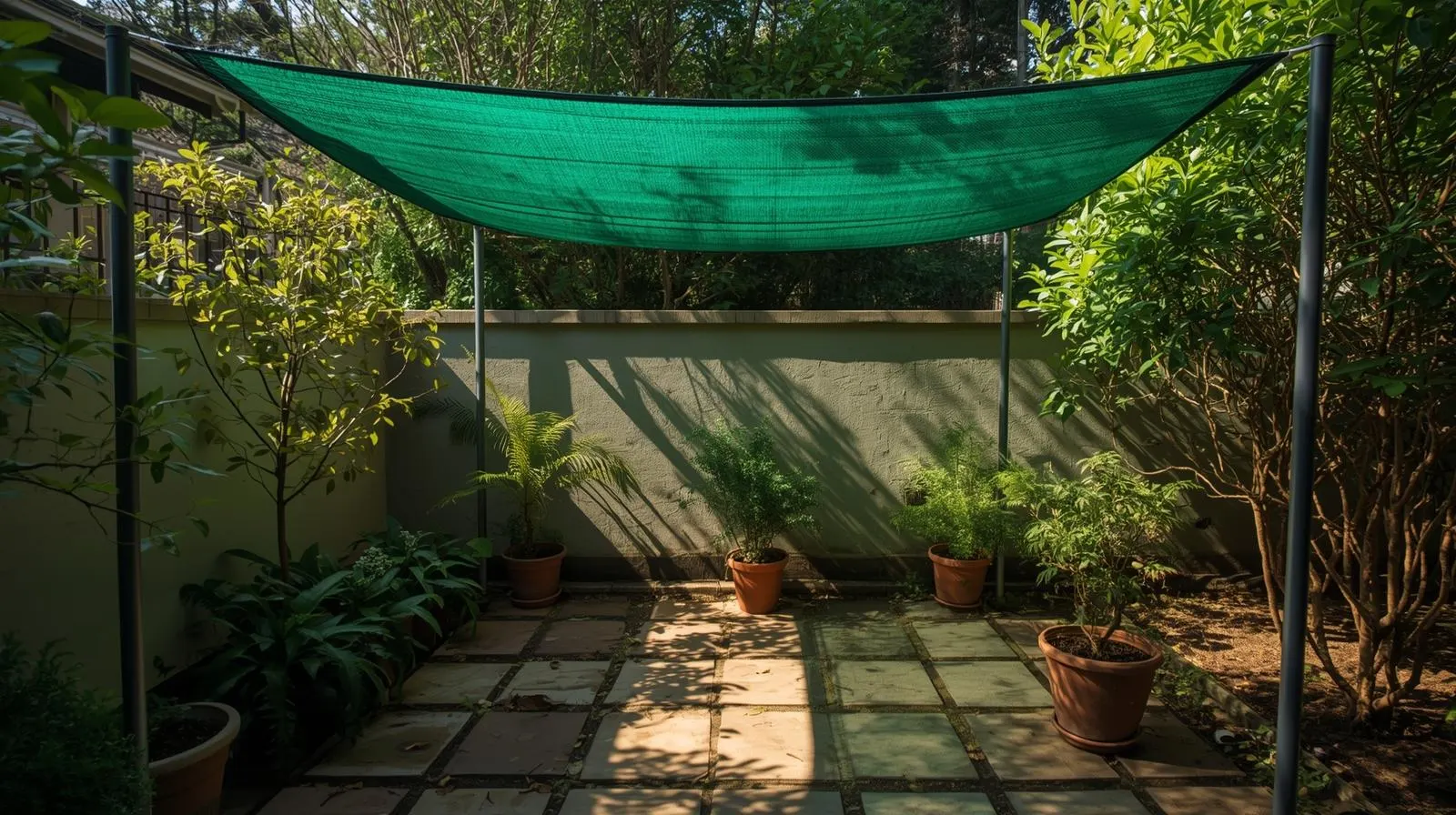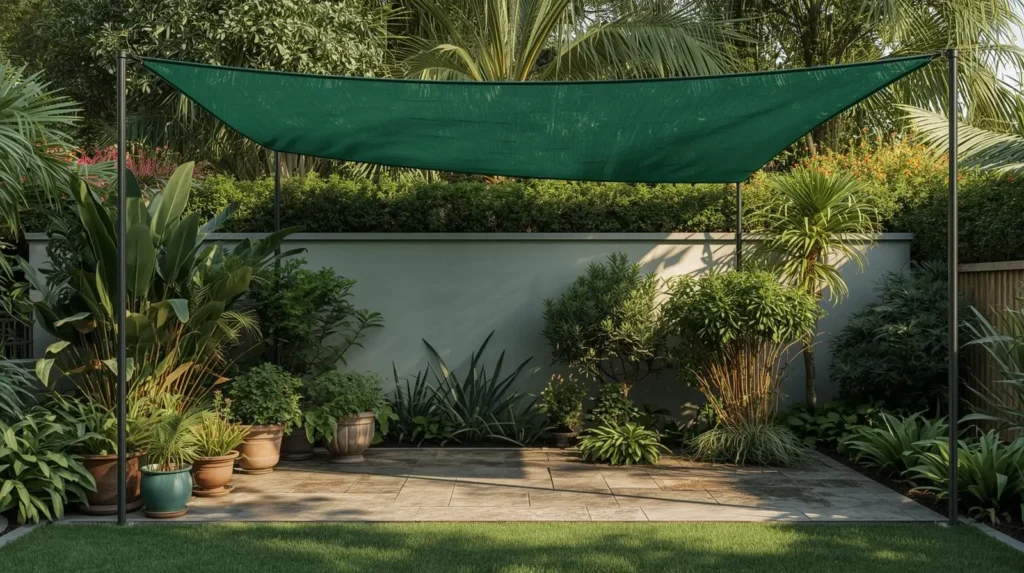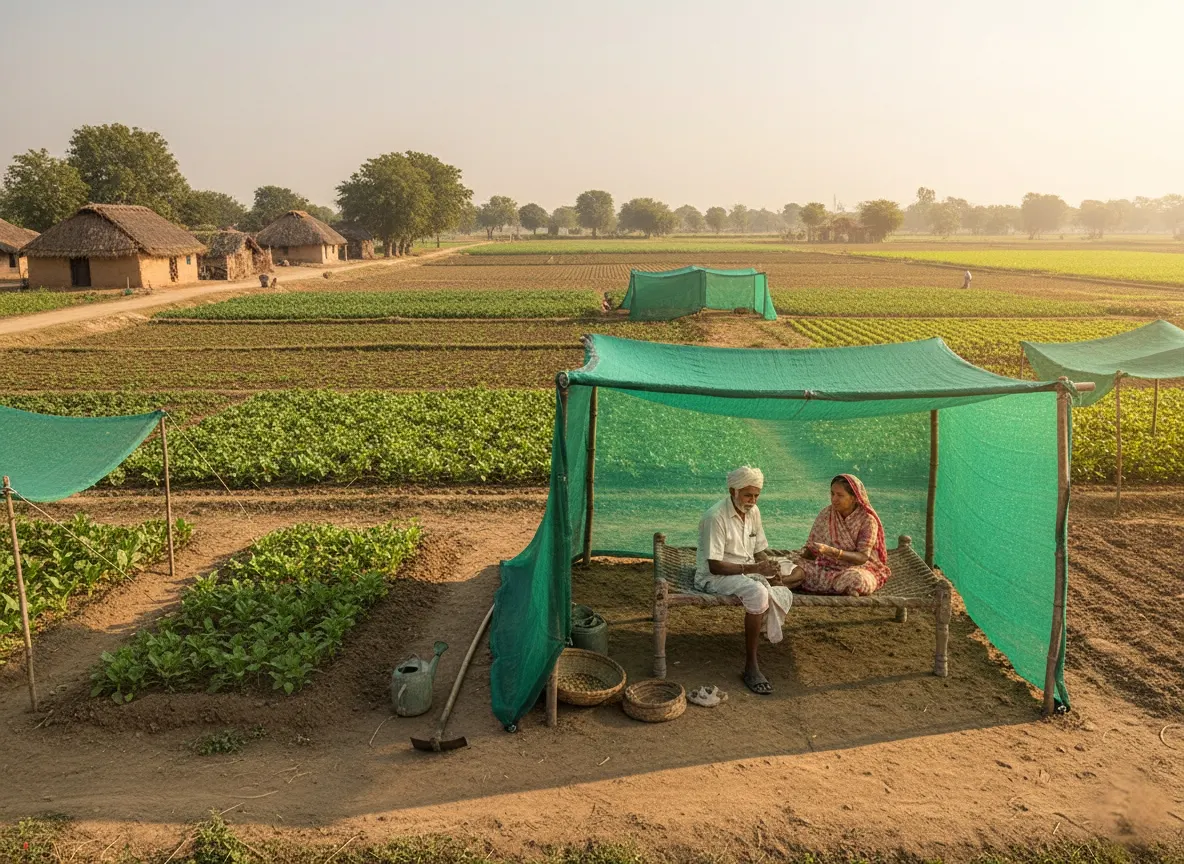
Indian agriculture is changing fast. Rising temperatures, unpredictable rainfall, and increasing crop losses have forced farmers to look for smarter and more sustainable farming solutions. One solution clearly stands out — green shade nets for farming in India.
Across states like Gujarat, Maharashtra, Karnataka, Tamil Nadu, and Rajasthan, farmers are rapidly adopting green shade net farming to protect crops, improve yield, and reduce cultivation risks. Let’s understand why this shift is happening and how green shade nets are becoming a game-changer for Indian farmers.
The Changing Face of Indian Farming
Climate change has made traditional open-field farming more challenging than ever. Excessive heat waves, sudden rainfall, and water scarcity directly impact crop productivity. Farmers now need climate-smart farming solutions that are affordable, effective, and easy to implement.
This is where agricultural shade nets play a crucial role by creating a controlled micro-climate for crops.
What Is a Green Shade Net?
A green shade net is a protective fabric made from UV-stabilized HDPE (High Density Polyethylene) material. It filters sunlight, reduces heat stress, and protects crops from external damage while allowing sufficient air circulation.
Material Used in Green Shade Nets
- Premium quality HDPE yarn
- UV stabilised for long outdoor life
- Resistant to heat, rain, and wind
Why Green Colour Is Preferred in Agriculture
Green shade nets provide balanced light diffusion, which helps maintain proper photosynthesis. This makes them ideal for Indian farming conditions compared to other colours.
Why Farmers in India Are Switching to Green Shade Nets
Protection from Extreme Heat & Sunlight
Indian summers are becoming harsher every year. Green shade nets reduce excessive sunlight intensity and protect crops from heat stress, sunburn, and dehydration.
Improved Crop Yield & Quality
By maintaining optimal growing conditions, shade net farming results in:
- Healthier plants
- Uniform crop growth
- Better size, colour, and quality
Water Conservation Benefits
Green shade nets reduce water evaporation from soil, helping farmers save water and improve moisture retention — a critical factor in water-scarce regions.
Protection from Wind, Hail & Birds
Shade nets act as a physical barrier against:
- Strong winds
- Heavy rainfall & hailstorms
- Birds and stray animals
This significantly reduces crop loss.
Benefits of Green Shade Net for Farming in India
Cost-Effective Farming Solution
Compared to high-cost greenhouses, green shade nets are affordable and provide excellent returns on investment. They are reusable and long-lasting.
Suitable for Multiple Crops
Green shade nets are widely used for:
- Vegetables (tomato, capsicum, chilli, cucumber)
- Fruits (papaya, pomegranate)
- Flowers & nurseries
Easy Installation & Maintenance
Shade nets are easy to install on simple support structures and require minimal maintenance, making them ideal for small and medium farmers.
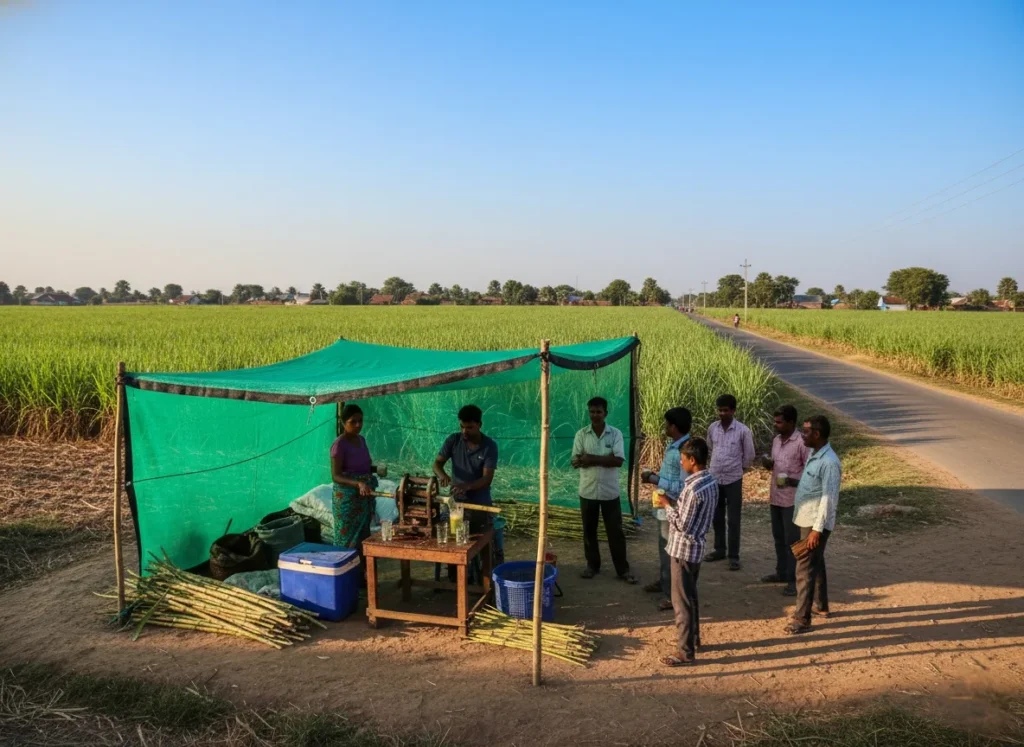
Shade Net Farming Techniques Farmers Are Using
Open Field Shade Net Farming
Farmers use shade nets over open fields to protect seasonal crops from extreme weather while keeping farming costs low.
Polyhouse & Nursery Applications
In nurseries and polyhouses, green shade nets help maintain a controlled environment, essential for high-value crops and seedlings.
Seasonal Shade Net Usage
- Summer: Heat and UV protection
- Monsoon: Protection from heavy rain
- Winter: Controlled light exposure
How to Choose the Right Green Shade Net
Shade Percentage Guide
- 35% – 50%: Vegetables & flowers
- 75%: Nursery plants
- 90%: Extreme heat protection & specific crops
UV Protection & GSM Importance
Higher GSM and UV stabilisation ensure durability and longer life under harsh Indian climate conditions.
Selecting Shade Nets Based on Crop Type
Choosing the correct shade percentage based on crop requirements is essential for the best results.
Why Buy Green Shade Nets from Trinqet
At Trinqet, we provide premium-quality green shade nets designed specifically for Indian agricultural conditions.
Premium Quality HDPE Shade Nets
- UV stabilized
- Weather resistant
- Long-lasting performance
Suitable for Indian Climate Conditions
Our shade nets are tested for extreme heat, wind, and rainfall common in India.
Trusted Supplier Across India
Trinqet is a reliable supplier of green shade nets and shade sails, offering quality products at competitive prices for farmers and agribusinesses.
Green Shade Net Price in India – What Farmers Should Know
Factors Affecting Shade Net Price
- Shade percentage
- GSM & material quality
- Size and customization
Cost vs Long-Term Benefits
Although initial investment varies, green shade nets deliver high ROI through improved yield, reduced crop loss, and water savings.
Future of Shade Net Farming in India
Role of Climate-Smart Agriculture
Protected cultivation methods like shade net farming will play a key role in sustainable agriculture in India.
Government Support & Awareness
With increasing awareness and government initiatives, more farmers are expected to adopt shade net farming in the coming years.
FAQs:
❓ Which green shade net is best for Indian farming?
A UV-stabilised HDPE green shade net is best for Indian farming as it reduces heat, controls sunlight, and protects crops from harsh weather.
❓ What shade percentage is ideal for vegetables?
35% to 50% green shade net is ideal for most vegetables, while 75% is suitable for nursery plants and sensitive crops.
❓ How long does a green shade net last?
A good quality green shade net lasts 3 to 5 years, depending on sunlight exposure, GSM, and material quality.
Conclusion
Green shade nets for farming in India are no longer optional — they are a necessity. From protecting crops and conserving water to improving yield and profitability, green shade nets offer a smart, sustainable solution for modern Indian farmers.
If you are planning to upgrade your farming practices, investing in high-quality green shade nets from Trinqet is a step towards a more secure and profitable future.